

Kimball Livestock Exchange Team Weathering the Market’s Highs and Lows
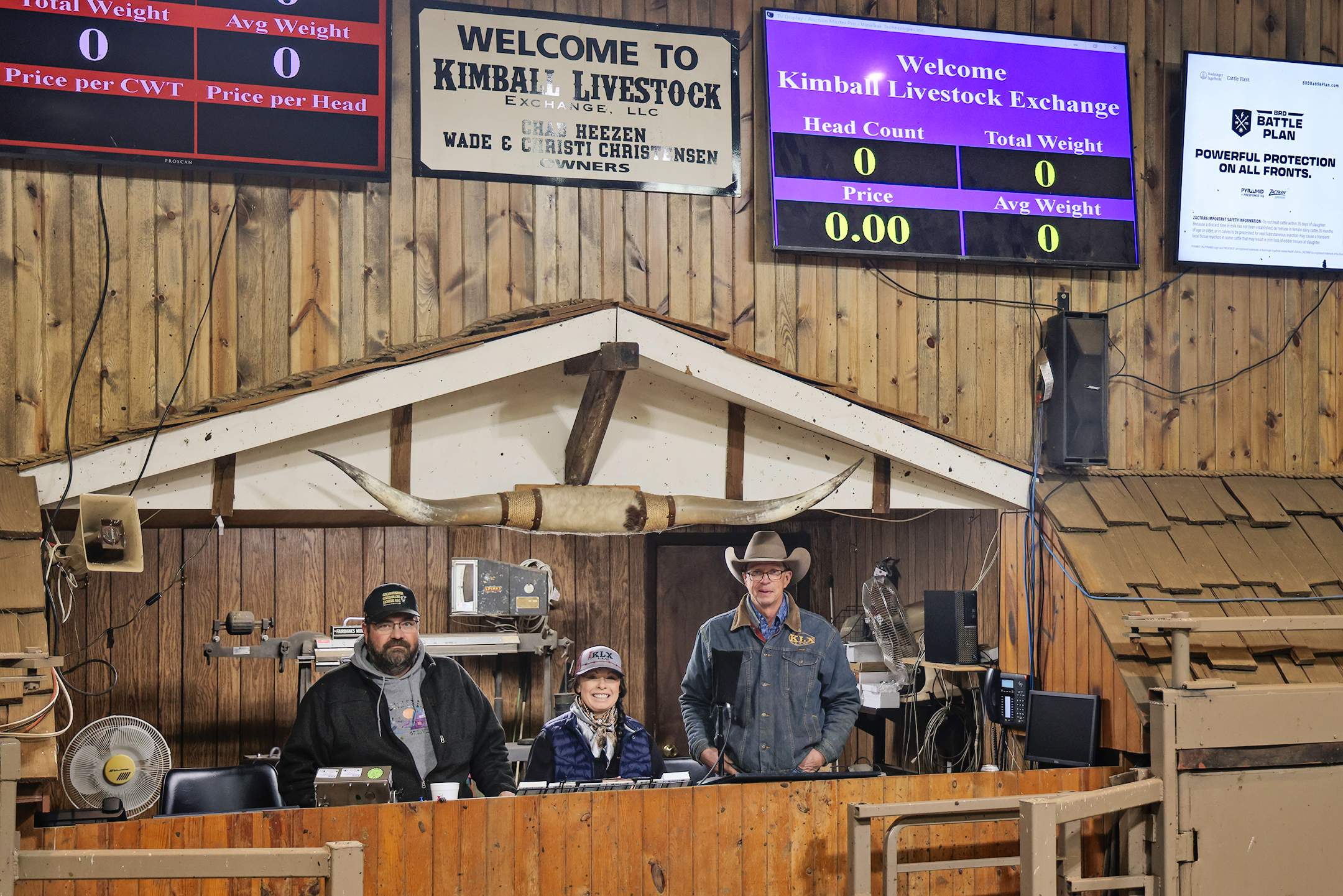
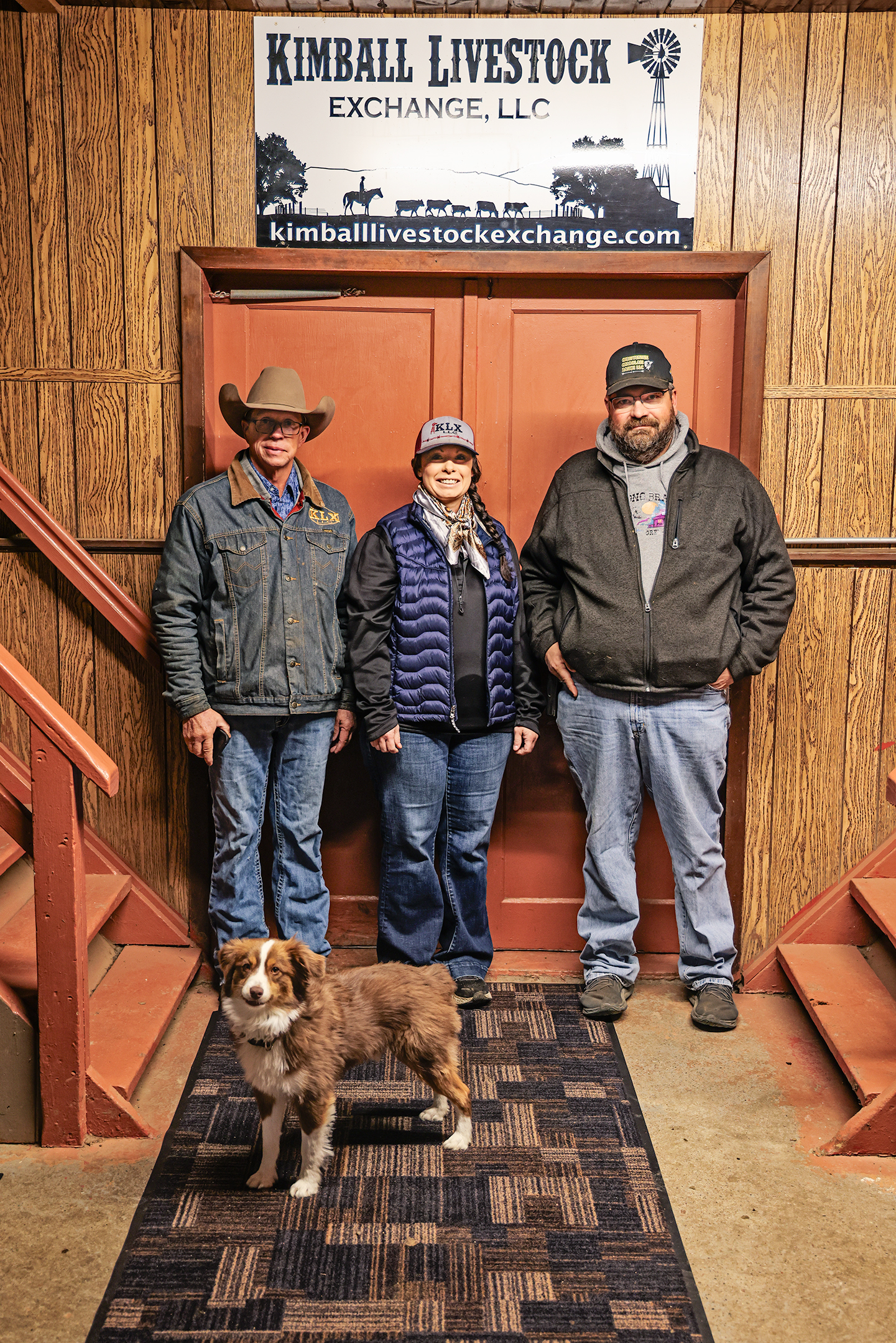
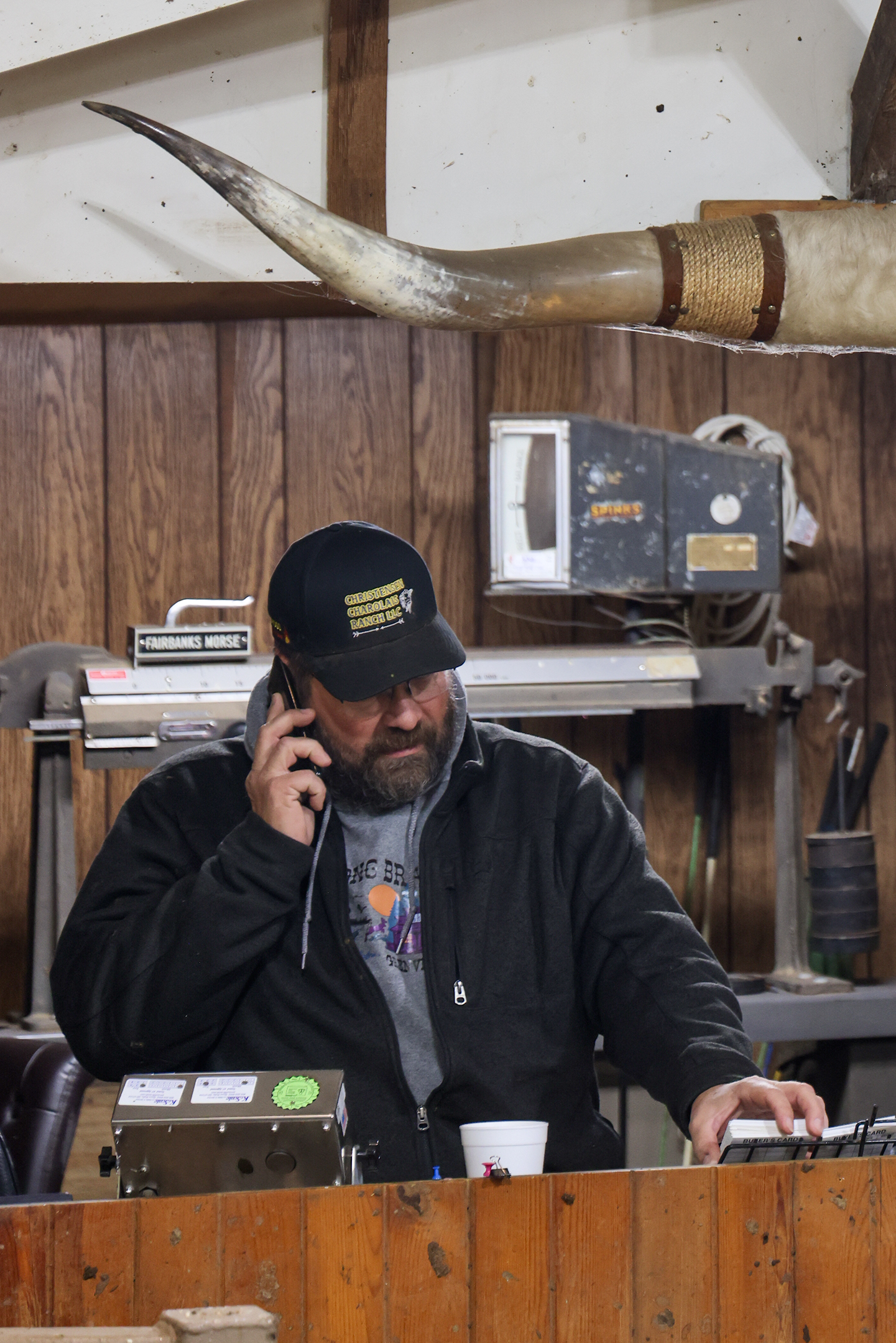
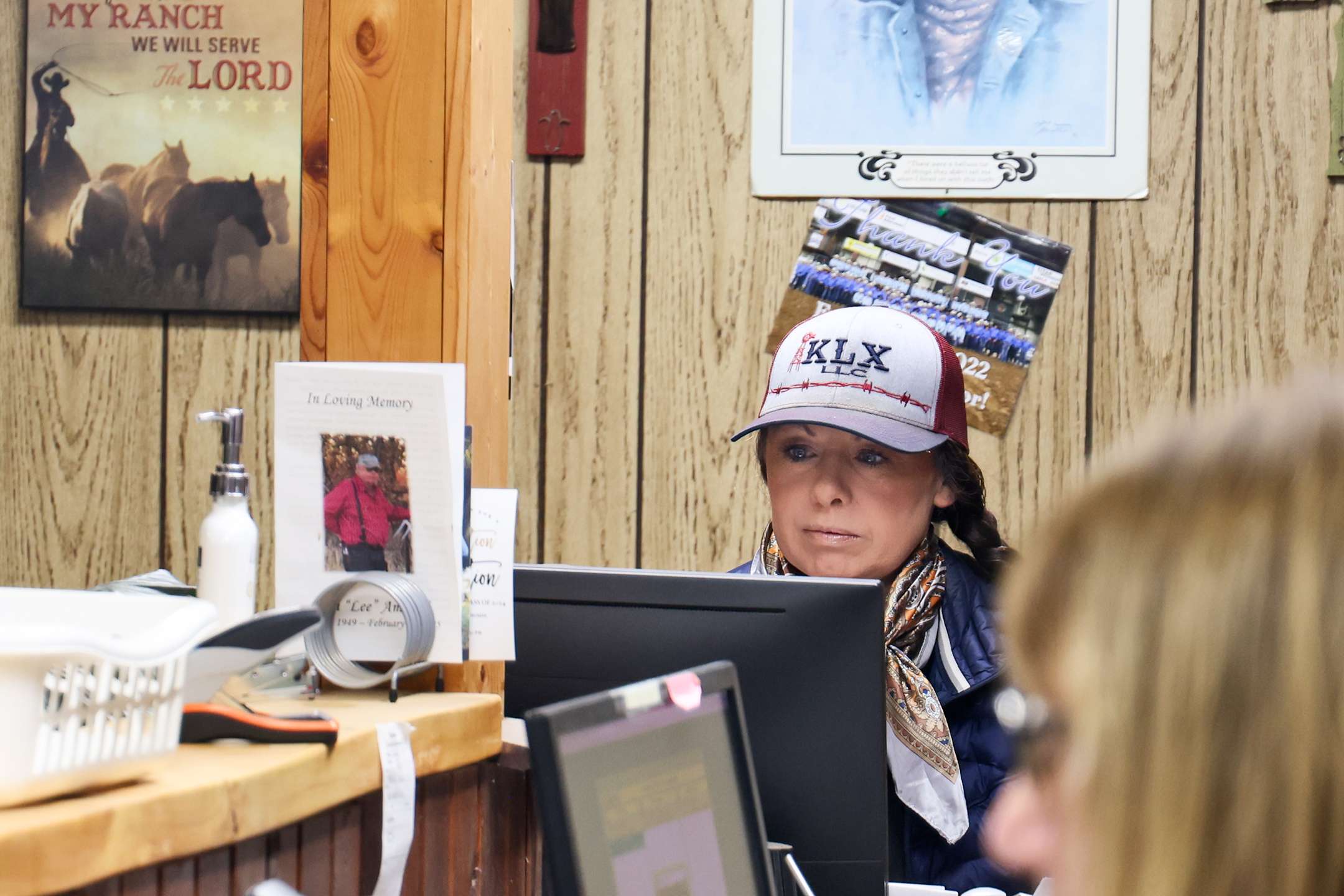
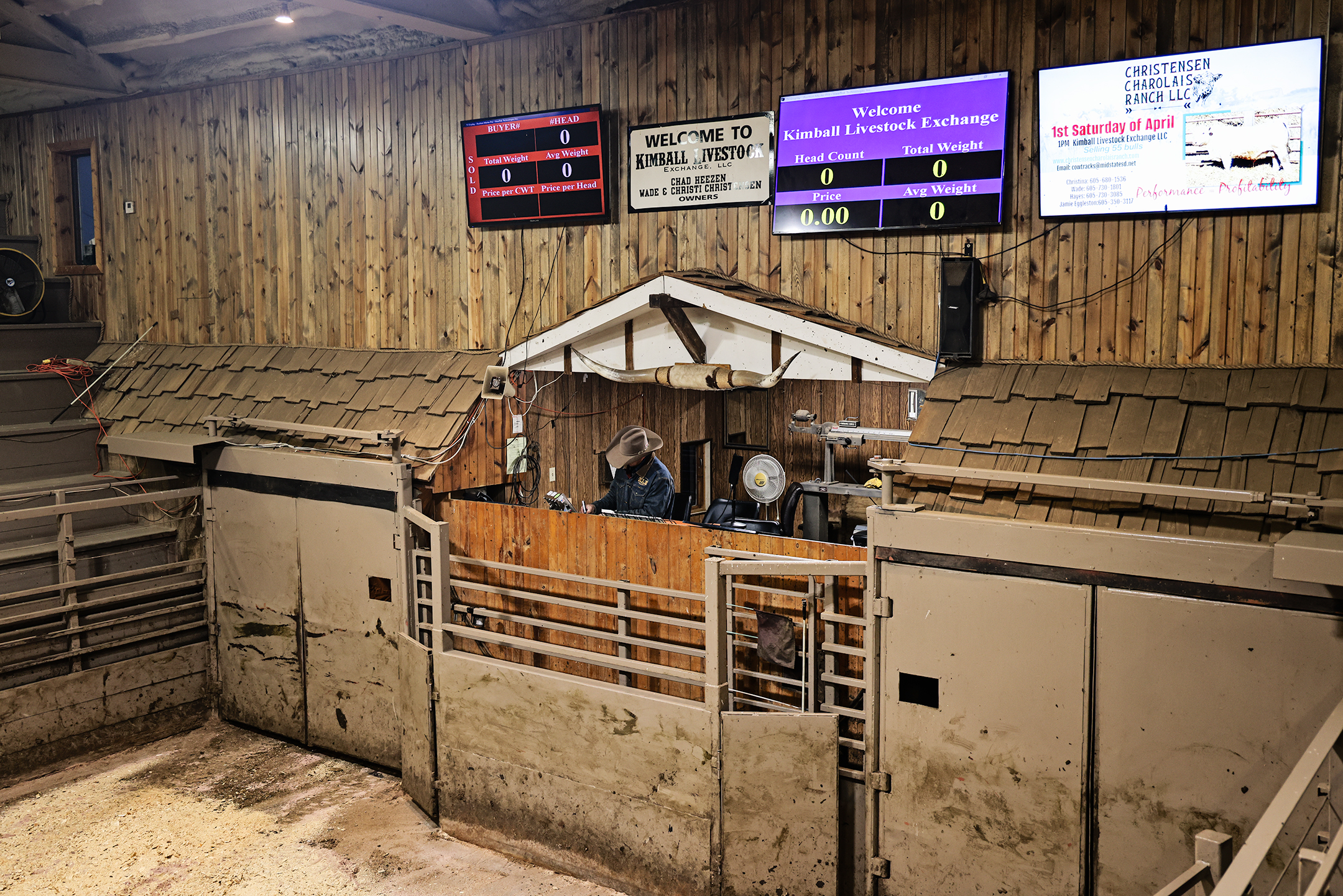
The owners of Kimball Livestock Exchange, Chad Heezen, Wade Christensen and Christy Christensen, say their success comes down to integrity, hard work and teamwork.
Since purchasing the sale barn in 2017, the trio has grown the business from selling around 20,000 to 30,000 head of cattle a year to now averaging 125,000 to 130,000 head annually. Their teamwork and customer-first attitude have helped them reach record-breaking sales while staying grounded in the values that built their operation.
From Idea to Partnership
Chad, who grew up west of Wessington Springs, said his love of the sale barn business runs deep.
“My grandpa John was always a sale barn guy. I spent a lot of time with Dad and Grandpa going to sales,” he said.
After graduating high school, Chad tried college but quickly realized his future was elsewhere.
“Dad said, ‘If you’re not going back to school, we better get you a steady job.’ He called a friend at the Sioux Falls Stockyards, and they put me to work.”
After several years working at sale barns in Sioux Falls, Wessington Springs, Miller, Highmore, and Fort Pierre, Chad said the idea of buying his own barn kept coming back.
“Every time I saw Wayne Tupper, he’d say, ‘Why don’t you buy the sale barn in Kimball?’ So one day I just called him and asked if it was still for sale.
It was. I called Wade and said, ‘I’m thinking about buying Kimball, would you be interested in partnering on it?’ That’s how it went.”
Wade laughed that he “had to get permission from Christy first.” Christy quickly added, “I encouraged it. I didn’t think he would step off the cliff if I didn’t.”
Wade said at the time, he was working for the government and open to trying something new. “Chad called me, it was all his idea. We’d worked together before and I probably wouldn’t have done it on my own if it wasn’t for him.”
Growth and Record Sales
Eight years later, Kimball Livestock Exchange has become one of the busiest sale barns in the state. And on September 2, 2025, they were featured on National Beef Wire for setting not one, but the top two all-time U.S. records for 9-weight steers — with 118 head at 937 pounds, bringing $374.75 and another 59 head at 952 pounds commanding $373.50.
“It’s the fourth time we’ve had a record-breaking sale,” Wade said.
Their data tells the story. “When I clerk, all my info goes directly into the National Beef Wire database,” Christy said. “After a sale, we can see our listings and how we compare to everyone else. On that day in September on the café screen, there were more than 20 lots of cattle from Kimball, pretty significant.”
Wade said South Dakota cattle consistently bring top prices. “South Dakota is generally the highest-priced cattle market all the time. We’re close to the feedlots in Iowa and Nebraska, and we’ve got the best cattle. ”
Buyers notice that quality. “We had three or four new buyers from Nebraska who’d never bought here before,” Wade said. “That tells you a lot.”
Teamwork and Modernization
When they bought the sale barn, the office still did everything by hand.
“We put in a new computer system right away,” Christy shared. “That made it so much more efficient. There’s no way we could do what we do now without it.”
Christy manages the office side, often remotely.
“Between my nursing job, the ranch, and the boys, I had to figure out how to make it work,” she said. “The phone transfers to my cell, and I have remote access to the computer system, the time clock, auction program, banking, everything. The main thing is having a big enough crew to run the sale.”
She said the business runs on teamwork.
“It’s proven we can handle these cattle with what we’ve got. It gets tight sometimes, but the system makes it so much quicker. As soon as someone’s cattle sell, they can go grab their check.”
Wade agreed. “We have about ten core people that make this run smoothly,” he said. “It’s rewarding, but it’s a lot of work and a lot of stress. You’re trying to keep sellers and buyers happy — buyers want to buy as cheap as possible, sellers want to sell as high as possible.”
Taking Care of What They’ve Got
Christy said they’ve invested steadily in the facility. “People ask why we don’t build a new sale barn by the interstate,” she said. “Well, we take care of what we’ve got. In 2017 we put up an exterior fence and worked our way in from there — new concrete alleys, a new loadout area with hydraulic doors, a new vet shack. No way we could have sold 5,000 head a day with what we had before.”
She credited their crew: “Our yard help and field men are super important. There’s no way to do this without them.”
Customer-First Approach
“Every consigner is just as important as the next,” Christy said. “We work really hard for consigners, but we want happy buyers too, that’s what makes the market.”
Wade said that means a high volume of communication.
“Between Chad and me, we text and call at least 75 guys every Monday. That’s not counting radio ads, papers, or digital outreach. Some want a text, some old guys want a call, and we make that call.”
Even when sales don’t go as expected, the team focuses on doing right by people.
“We had a set of cattle that didn’t sell as good as everything else,” Wade said. “We had 25 buyers in the seats and 50 to 100 watching online. You have to tell yourself we did our job, call as many buyers as we can, advertise, do our best.”
Christy added, “There are sale barns that don’t make a single call before a sale. That’s not us.”
Integrity Amid Market Fluctuations
This fall, the national beef market has seen both highs and uncertainty, with news of rising imports stirring concern. (See the Letter to the Editor from Kimball Livestock in this print and e-edition on PAGE FOUR “While I understand President Trump’s goal of lowering grocery prices for American families, increasing beef imports isn’t the answer,” said Chad. “This approach will benefit packers, not consumers, and it threatens to undermine the progress our domestic cattle market has made after years of volatility.”
Even amid this turmoil, the Kimball Livestock owners say they’ll keep doing what they’ve always done: work hard, stay honest and take care of people.
“Markets change fast, but we’ll keep doing things the right way,” said Wade.
Chad agreed.
“I lose some cattle every year to other sale barns — you can’t make everybody happy — but I’m not out trying to drum up new business. I just want to take care of what we’ve got, because that’s what made us.”
Rewarding Work
For Wade, the most rewarding part is simple. “Making a seller really happy with how their cattle sold, that’s what it’s about,” he said. “When a guy texts you and says his cattle sold great, or he gives you a thumbs up, that’s the best feeling.”
As they look to the future, the trio agrees their foundation won’t change. “We’ll just keep doing what we’ve always leaned on,” Chad said. “Hard work, integrity, and doing our best to run this business right.”