


As the winter season officially kicked off Saturday, Dec. 21, recent foggy and icy conditions serve as a good reminder for folks in our part of the prairie to identify and reduce weather risks in the months ahead.
Storms and Severe Cold: Individual Safety
• In case of a power loss, ensure electronics are fully charged and know where to find your flashlight and extra batteries.
• Verify warming centers in your area before the weather turns and know where you can go in case your home loses power.
• Stay indoors as much as possible. If the roads are icy and you must drive, stay well behind the car in front of you as it takes longer to fully stop on icy roads.
• If you must go outside, cover all exposed parts of the body. Wear layered clothing, a hat, and mittens, which are warmer than gloves. Wear boots or shoes with rubber soles for the best traction. Use handrails when navigating outdoor stairs.
• Don’t use a gas stove or oven to heat your home, and if you use a generator, do so ONLY outdoors and away from windows.
• Learn the signs of and basic treatments for frostbite and hypothermia. For more information, visit: Hypothermia|Winter Weather (cdc.gov).
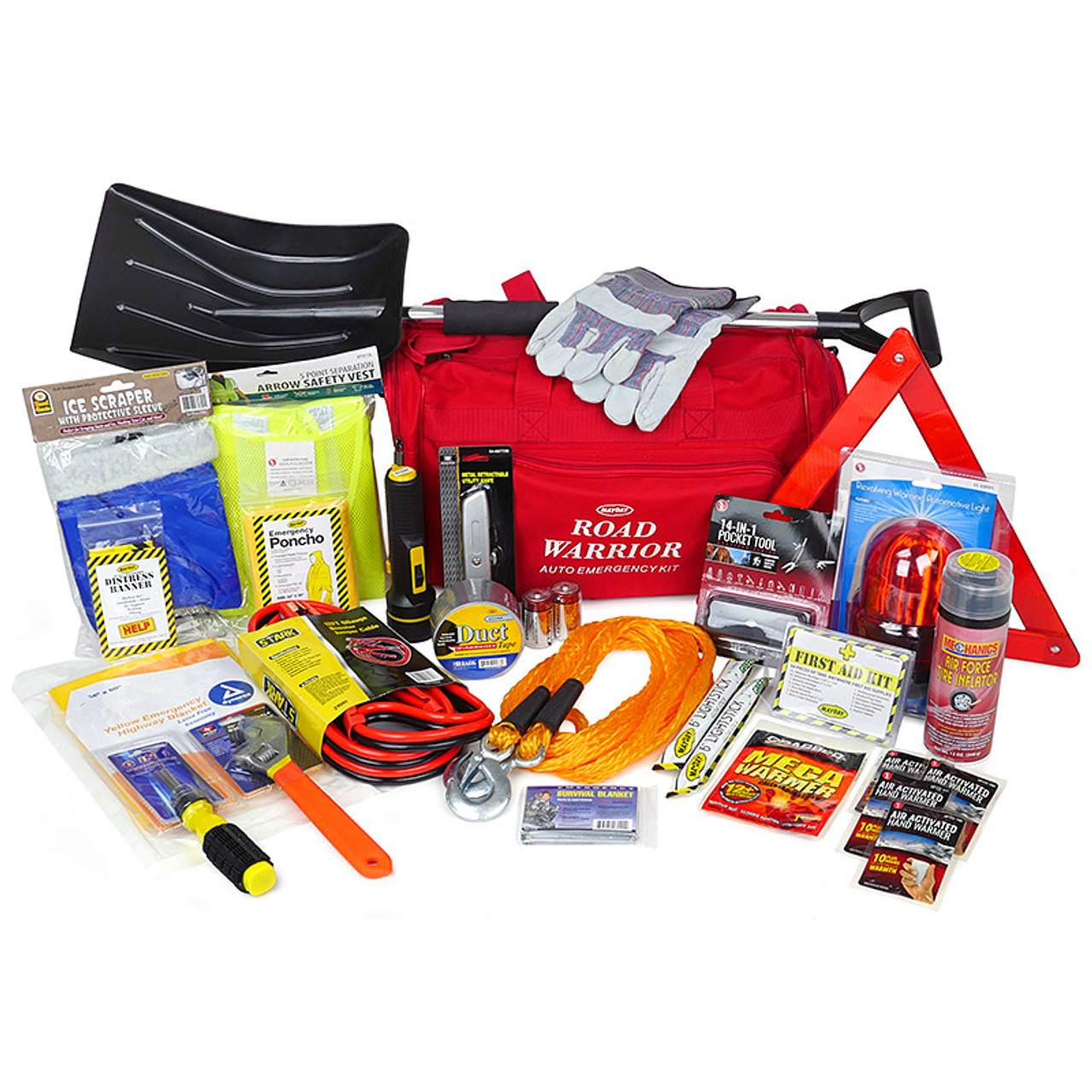
• Build an emergency supply kit for your car: first aid kit, jumper cables, full tank of gas, cell phone and cell phone charger, shovel, ice scraper, snow brush, sand/ cat litter, warm clothing and blanket, water and snacks, tire chains, tow rope, and flares.
Winter Storms and Severe Cold: Protection at Home
• Prepare your home to keep out the cold with insulation, caulking, and weather stripping. Close the doors of rooms you are not using. Close the vents, shut the doors in these rooms and keep the basement door closed. Place a rolled towel at the bottom of all doors to keep drafts out.
• For home improvements that save money on energy, you may qualify for help through the Weatherization Assistance Program (WAP).
• Clear rain gutters and cut away tree branches that could fall on your home during high winter winds.
• Insulate pipes and allow faucets to drip a little during cold weather. Make sure that there is warm air circulating in any area where there are water pipes. Learn how to shut off water valves in case a pipe bursts.
• About 30% of a home’s heating energy is lost through its windows. Keep window coverings like blinds or curtains open during the day to take advantage of the sun’s heat in the winter – especially windows that get direct sunlight.
• Install and test smoke alarms and carbon monoxide detectors with battery backups.