

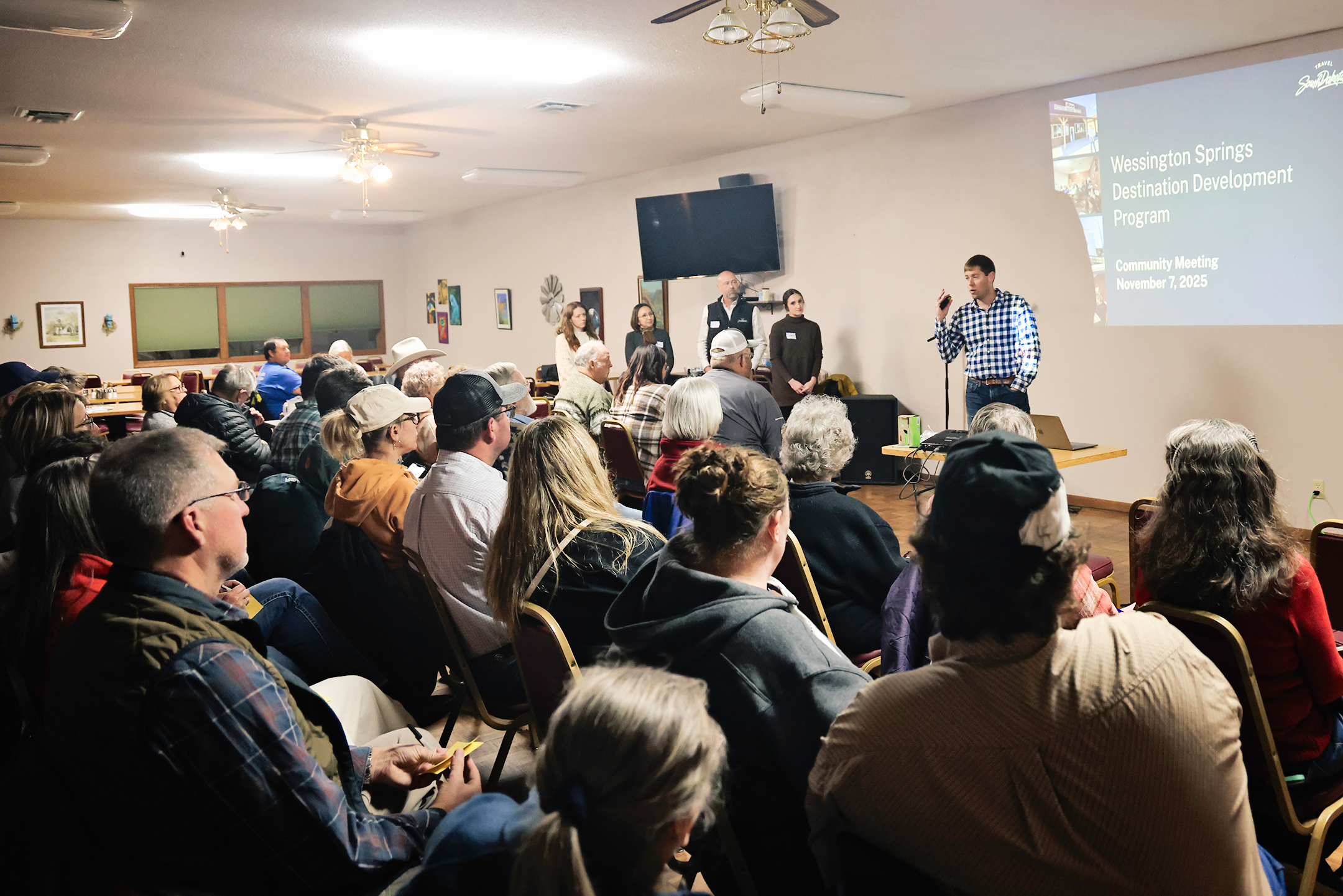
During a follow-up community meeting held at the Springs Inn Café on November 7, members of the Wessington Springs Destination Development Core Team and residents gathered to review findings, reflect on progress, and outline the next steps for the Old Grade Nature Trail and broader tourism development efforts.
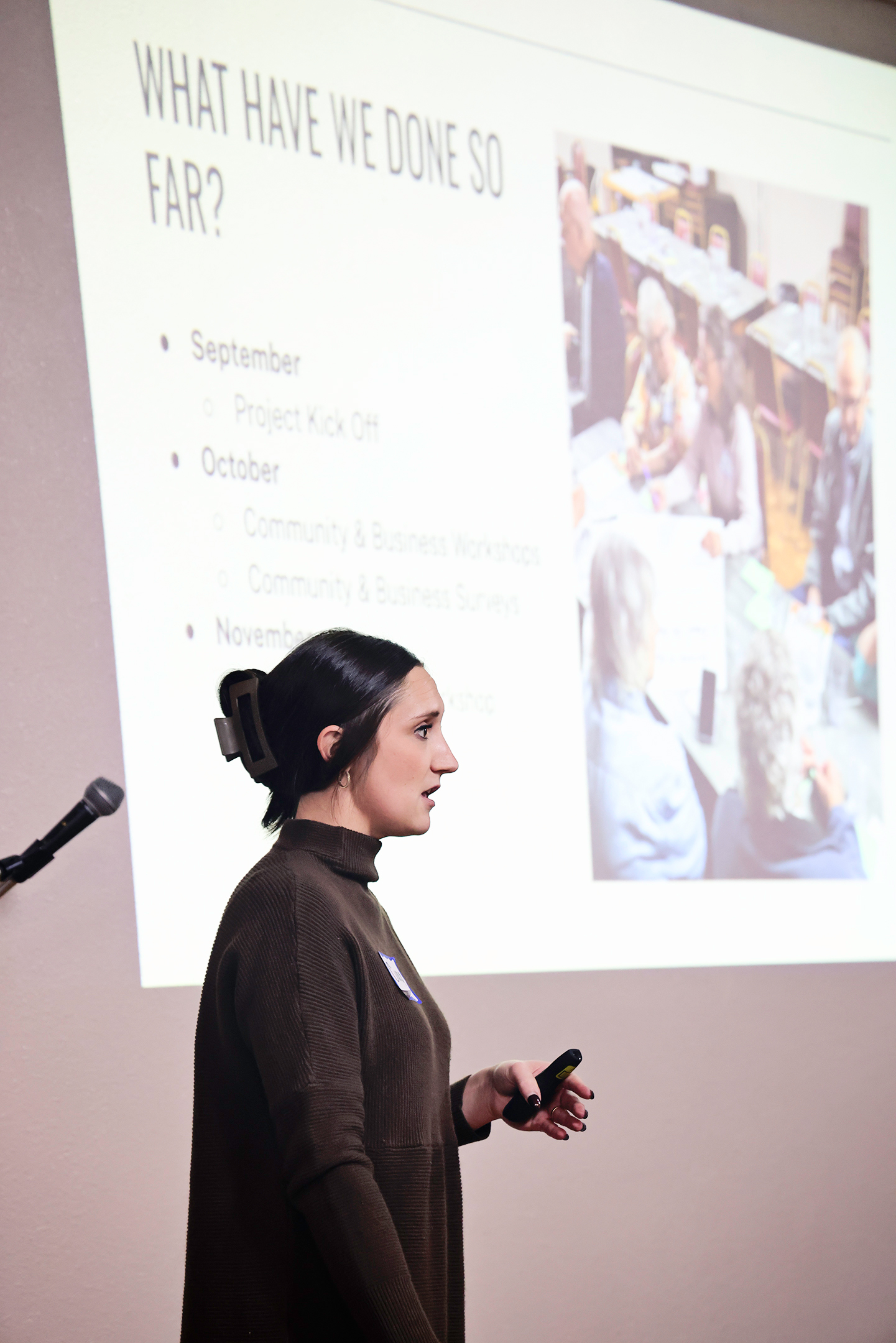
The meeting marked the completion of Phase 1 of the state’s Destination Development Program, a months-long process of interviews, surveys, site visits, community and business workshops, and historical investigation guided by consultants from Travel South Dakota and the George Washington University (GWU) International Institute of Tourism Studies.
In September, Wessington Springs was chosen as one of just two communities in South Dakota to participate in a new state initiative aimed at boosting tourism in rural areas.
Following an application process, Travel South Dakota selected Wessington Springs and Lead as the inaugural participants in the Destination Development Program. The program provides rural communities with planning support, marketing opportunities, and expert guidance to help shape longterm tourism growth.
Trail enthusiast and Chamber & Development board member Troy Duxbury said the work completed so far has confirmed something the team suspected from the beginning: the community cares deeply about the trail and wants to see it thoughtfully developed.
“To me, this is delivering on what the community has made really clear,” Duxbury said. “We’re not another group trying to invent something new, we’re building upon a foundation that’s already been laid. The interest has always been there.”
Duxbury emphasized that the team spent the first year “re-stepping an already stepped path,” reviewing past work, gathering stories, and listening to what residents value most.
“We have momentum,” he said. “The vision is something the community totally agrees upon. The details like materials, layout, functionality will evolve, but the bigger purpose is rock solid.”
From the beginning, the trail team spent months interviewing residents asking them to reminisce about the Old Grade Trail. Those conversations revealed stories, history and personal connections the team hopes to incorporate into interpretive signs and future programming.
“There’s a significant amount of story we still can tell,” Duxbury said. “We haven’t even scratched the surface yet.”
Survey responses through the Destination Development Program strengthened this narrative. Key insights to guide tourism product development illustrated that nearly 80% of the community survey respondents are very supportive of tourism development and 93% of businesses view tourism as key to the community's future.
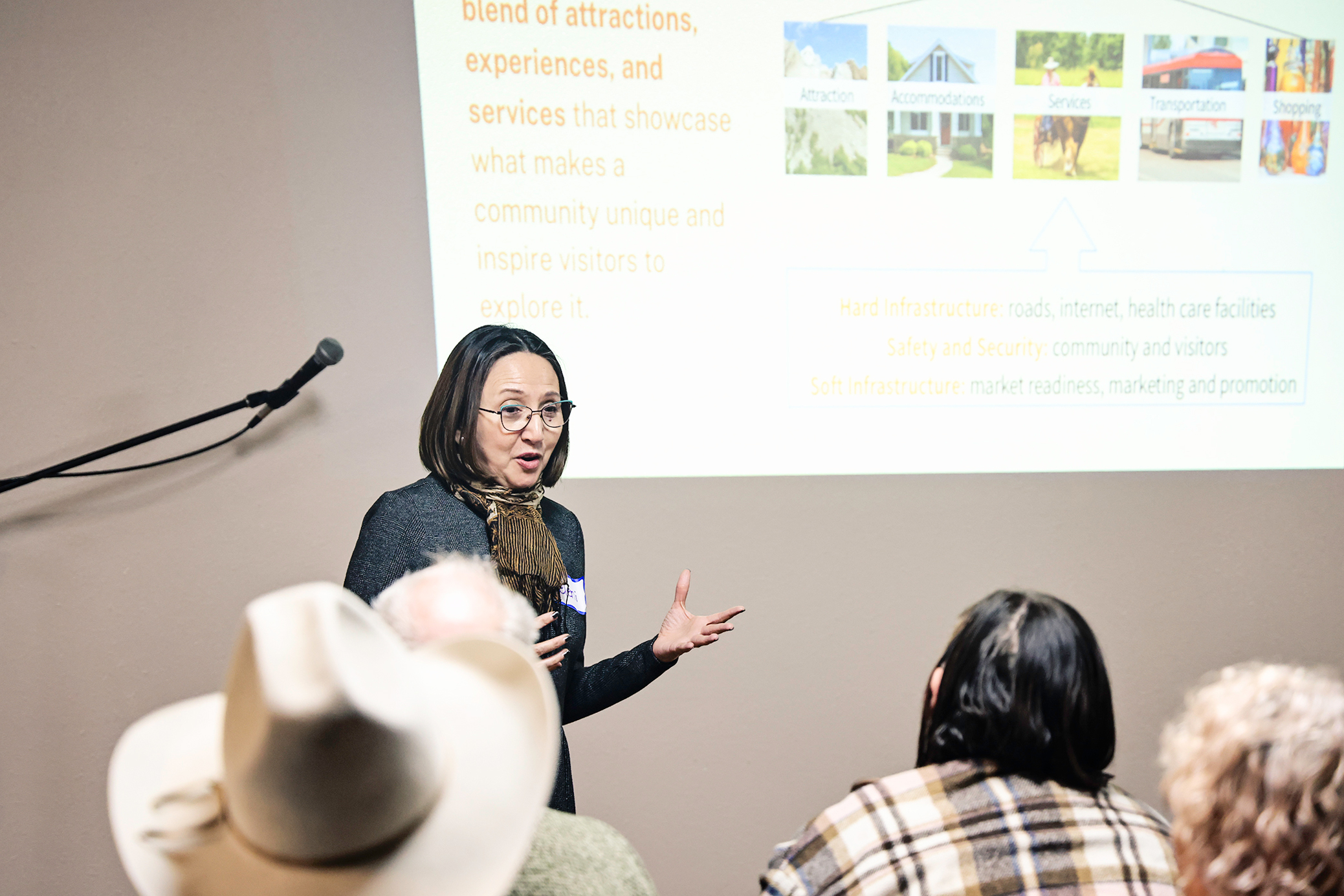
GWU consultants explained at the November 7 community meeting that a tourism product is a blend of attractions, experiences and services that showcase what makes a community unique and inspires visitors to explore it. The Old Grade Trail will serve as the primary lure -- physically and symbolically connecting nature, heritage, and already-existing community experiences.
The first phase of the Destination Development Program focused on what Duxbury calls “the investigation piece,” laying the groundwork necessary to pursue major funding in the future.
“This phase is about eating the elephant the right way,” Duxbury said. “It took a year to formulate all of this. We had a limited idea of what the full scope was when we started, but the plan continues to develop along the way.”
Key accomplishments of Phase 1 include:
• Historic research and oral-history collection
• Trail walks and site assessments with GWU consultants
• Community-wide tourism survey with strong participation
• Interviews with business owners, landowners and civic groups
• Early concept discussions about signage, access, and storytelling
• Identification of shared priorities across age groups and sectors
“This backstory work is critical,” Duxbury said. “It’s what large-scale funders want to see, that you understand your asset, your history, your community, and your visitors.”
With Phase 1 now concluded, GWU is finalizing a set of deliverables which will serve as the community’s official roadmap and strategic documents. These will be formatted so Wessington Springs can use them in grant applications, pitch presentations, and long-term planning.
“Early January is when we’ll really see this transition,” Duxbury said. “We’ll move into grant investigation and application.”
At the same time, Phase 2 of the Destination Development Program will begin. This phase will bring in concept modelers and expand direct conversations with landowners, business owners, and key stakeholders.
“This part is about pulling the vision together in a way that is clear, buildable and fundable,” Duxbury said.
Throughout the meeting, one message remained constant: the project is not a top-down initiative, but a bottomup, community-powered effort.
“We’re leveling up,” Duxbury said. “We’re building on what came before us, and now we finally have the tools to move from ideas to action. This project is ready for the next step.”