


South Dakota Office of Emergency Management Severe Weather Preparedness Guide
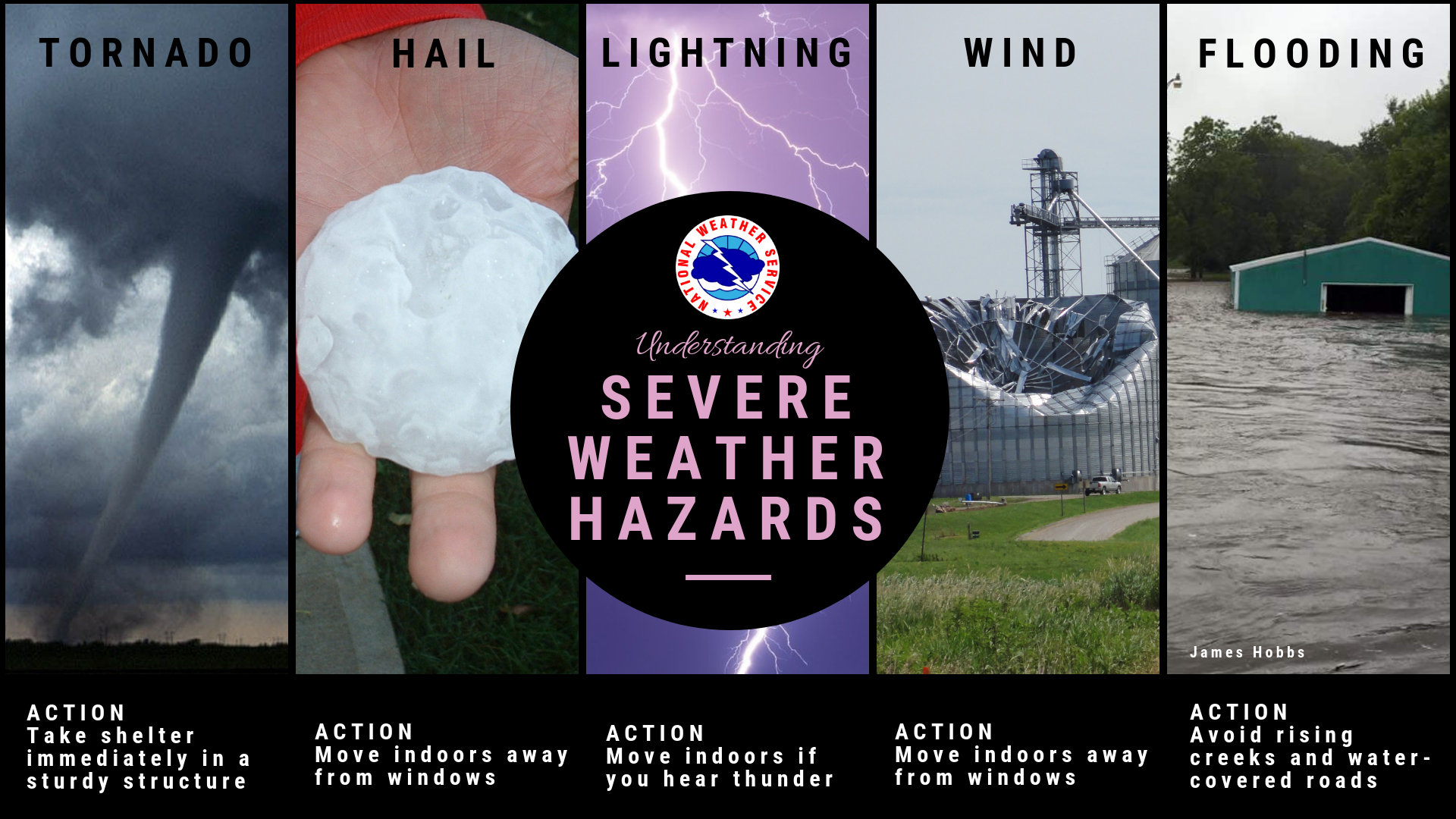
The National Weather Service has designated April 8-12 as Severe Weather Awareness Week in South Dakota. The South Dakota Office of Emergency Management says this is a good time to start thinking about what to do when severe thunderstorms or tornadoes impact the state.
Severe weather will eventually occur in South Dakota and everyone needs to be prepared.
Severe Weather Awareness Week is used by state and local officials to urge people to start making preparations because it is too late to prepare when the thunderstorm or tornado is already impacting your area. “Now is the time when families should discuss what to do if severe weather happens,” Jerauld County Sheriff and Emergency Manager Jason Weber said. “Where do you go if you are outside when a thunderstorm begins or what do you do if a tornado warning is issued? Those are important things to be ready for.”
On Thursday, April 11 at 10 a.m., Jerauld County will hold a tornado drill for Alpena, Lane and Wessington Springs.
For more information on how to be prepared for severe weather read the Severe Weather Preparedness Guide below.
Tornadoes
• Outdoors: Seek shelter in a sturdy building. If none are nearby, lie flat face-down on low ground. Try to be as far away from trees and cars as possible, protecting the back of your head with your arms.
• Mobile Home: Get out! Most tornadoes can destroy even tied-down mobile homes. You should try to find an underground shelter or permanent sturdy building.
• Permanent Building: Avoid windows and being beneath areas under heavy objects like pianos and refrigerators. Try to get in a basement or under sturdy protection like a table or bench.
Myth: The low pressure with a tornado causes buildings to “explode” as the tornado passes overhead Fact: Violent winds and debris slamming into buildings cause most structural damage
Myth: Windows should be opened before a tornado approaches to equalize pressure and minimize damage.
Fact: Opening windows allows damaging winds to enter the structure. Leave the windows alone; instead, immediately go to a safe area.
JERAULD COUNTY TORNADO DRILL IS THURSDAY APRIL 11 AT 10 A.M.
Thunderstorms/Lightning
Before Thunderstorms
• Remove dead or rotting trees and branches that could fall and cause injury or damage.
• Remember the 30/30 lightning safety rule: Go indoors if after seeing lightning you cannot count to 30 seconds before hearing thunder. Stay indoors for 30 minutes after hearing the last clap of thunder.
During a Thunderstorm
• If you are in a wooded area, seek shelter in a low area under a thick growth of small trees. If you are in an open area, go to a low place such as a ravine or valley. Be alert for flash floods.
• If you are in open water, get to land and find shelter immediately.
• If you are anywhere you feel your hair stand on its end (which indicates lightning is about to strike), squat low to the ground on the balls of your feet. Place your hands over your ears and your head between your knees. Make yourself the smallest target possible and minimize your contact.
Floods
During a flood
• Tune in to the radio, television or online for information
• Be aware that flash floods can occur. If there is any possibility of a flash flood, move immediately to higher ground. Do not wait for instructions to move.
• Be aware of streams, drainage channels, canyons, and other areas known to flood suddenly. Flash floods can occur in these areas with or without such typical warnings as rain clouds or heavy rain.
• If you must prepare to evacuate, you should do the following: Secure your home. If you have time, bring in outdoor furniture. Move essential items to an upper floor. Turn off utilities at the main switches or valves if instructed to do so by emergency officials. Disconnect electrical appliances. Do not touch electrical equipment if you are wet or standing in water.
• If you have to leave your home, remember these evacuation tips: Do not walk through moving water. If you have to walk in water, walk where the water is not moving. Use a stick to check the firmness of the ground in front of you
• Do not drive into flooded areas. If floodwaters rise around your car, abandon the car and move to higher ground if you can do so safely. You and the vehicle can be quickly washed away.